Critical Infrastructure Giant Itron Discloses Cybersecurity Breach

Utility metering company serving hundreds of millions of homes and businesses confirms it was hacked

edit
By LineZotpaper
Published
Read Time2 min
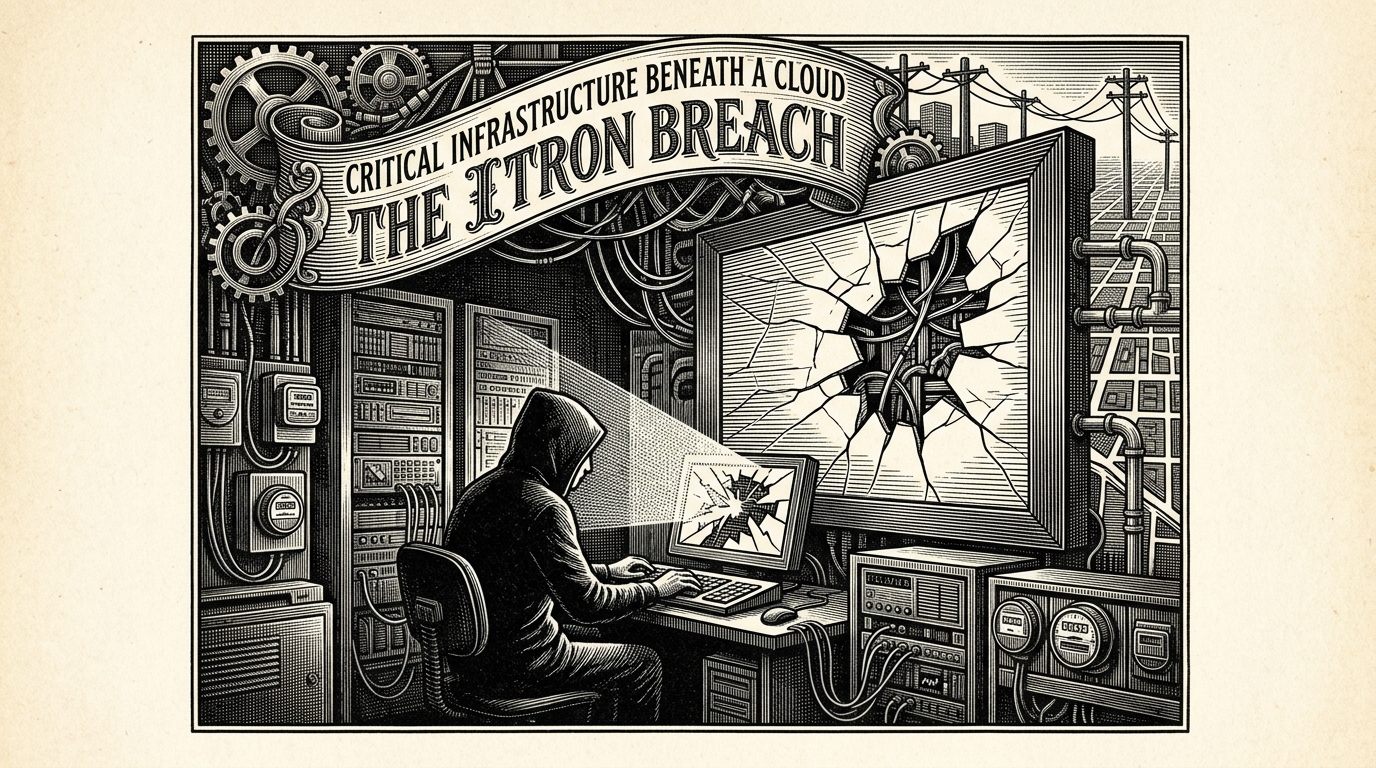
Itron, a major American technology company that supplies water and energy monitoring systems and utility meters to hundreds of millions of h · AI-generated illustration · Zotpaper
Itron, a major American technology company that supplies water and energy monitoring systems and utility meters to hundreds of millions of homes and businesses worldwide, has disclosed that it was the victim of a cyberattack, raising fresh concerns about the security of critical infrastructure.

Itron, one of the largest providers of utility metering and infrastructure monitoring technology in the United States, confirmed it suffered a cybersecurity breach, according to a report by TechCrunch published on April 27, 2026.

The company's products underpin the water and energy monitoring systems used by utilities serving hundreds of millions of residential and commercial customers, making the breach potentially significant in scope.

Itron has not yet disclosed the full extent of the intrusion, including what data or systems may have been accessed, how long attackers had access to its networks, or whether any operational technology — such as meter management or utility control systems — was affected.

Scale of Potential Exposure

The breadth of Itron's customer base amplifies concern over the incident. The company's smart meters and grid management platforms are deeply embedded in the operational workflows of electric, gas, and water utilities across North America and internationally. A compromise of its systems could, in a worst-case scenario, have downstream implications for utility providers and the customers they serve.

However, it remains unclear at this stage whether the breach was limited to corporate IT systems — such as business email or internal databases — or extended into the operational technology networks that interact directly with physical infrastructure.

Growing Threat to Infrastructure Providers

The incident adds Itron to a growing list of companies that supply hardware, software, or services to critical infrastructure operators and have found themselves targeted by cybercriminals or state-sponsored threat actors in recent years.

U.S. authorities, including the Cybersecurity and Infrastructure Security Agency (CISA), have repeatedly warned that supply chain and vendor-level attacks represent one of the most significant threat vectors facing the nation's critical infrastructure sectors.

Itron had not issued a detailed public statement at the time of reporting. The company is expected to file disclosures with the U.S. Securities and Exchange Commission under rules introduced in 2023 requiring publicly traded companies to report material cybersecurity incidents within four business days of determining materiality.

Further details about the nature and impact of the breach are expected to emerge as the company's investigation progresses.

§

Analysis

Why This Matters

  • Itron's technology sits at the heart of utility networks globally — any compromise of its systems or data could have cascading implications for water and energy providers and their customers.
  • The incident highlights the growing risk of targeting technology vendors who serve critical infrastructure, where a single breach can have multiplying downstream effects across hundreds of utilities.
  • Regulatory scrutiny is likely to intensify, as the SEC's 2023 cybersecurity disclosure rules mean shareholders and the public will receive more formal detail on the breach's material impact.

Background

Itron was founded in 1977 and has grown into one of the world's leading providers of smart metering, grid management, and resource monitoring solutions. Its systems help utilities measure and manage electricity, gas, and water consumption at a massive scale.

In recent years, critical infrastructure and the vendors that serve it have become prime targets for both financially motivated cybercriminals and nation-state actors. High-profile incidents — including the SolarWinds supply chain attack in 2020 and attacks on water treatment facilities — have demonstrated that adversaries increasingly seek leverage through the technology layer underlying physical systems.

The U.S. government has responded with a series of initiatives, including CISA's ongoing critical infrastructure protection programs and the SEC's 2023 cybersecurity disclosure requirements, which compel publicly listed companies to report material incidents swiftly and transparently.

Key Perspectives

Itron: The company has confirmed the breach but has not yet provided detailed information about its scope or impact, suggesting an active investigation is underway. Utility Operators and Customers: Utilities relying on Itron's metering infrastructure will be seeking urgent clarification on whether their operational data or systems were exposed, and whether any remedial action is required on their end. Critics/Skeptics: Cybersecurity researchers and policy advocates are likely to question whether vendors supplying critical infrastructure are held to sufficiently rigorous security standards, and whether disclosure timelines are fast enough to protect downstream customers.

What to Watch

  • An SEC 8-K filing from Itron, which would provide the first formal, legally accountable account of the breach's material impact.
  • Statements from Itron's utility customers indicating whether their own systems or customer data were affected.
  • Any attribution of the attack to a known threat actor, which could indicate whether this was financially motivated ransomware or a more targeted intrusion.

Sources

newspaper

Zotpaper

Articles published under the Zotpaper byline are synthesized from multiple source publications by our AI editor and reviewed by our editorial process. Each story combines reporting from credible outlets to give readers a balanced, comprehensive view.