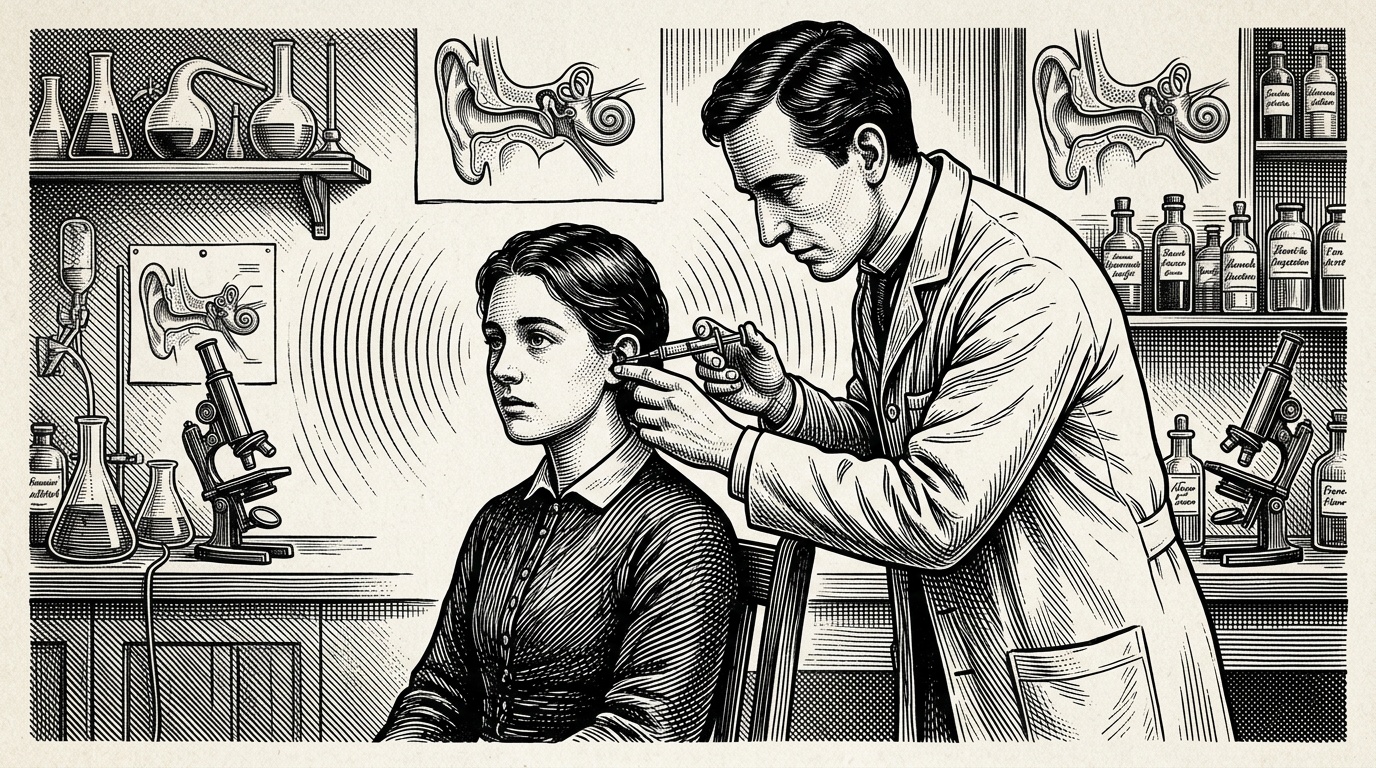
The U.S. Food and Drug Administration has approved the first gene therapy designed to treat deafness, the agency announced on April 23, marking a significant milestone in the treatment of hereditary hearing loss. The therapy, developed by Regeneron Pharmaceuticals, targets a rare genetic form of deafness and represents a major step forward in applying gene-based medicine to sensory disorders.
The U.S. Food and Drug Administration has given the green light to the first gene therapy for deafness, clearing a treatment developed by Regeneron Pharmaceuticals that targets a rare inherited form of hearing loss.
The approval represents a landmark moment in medicine, demonstrating that gene therapy — long considered a promising but difficult-to-deliver technology — can now be applied to conditions affecting the auditory system. While the treatment addresses only a narrow subset of hearing loss cases, researchers and clinicians say the breakthrough has far-reaching implications for future therapies.
A Rare but Significant Target
The therapy is designed to treat a specific genetic mutation responsible for a rare form of congenital deafness. Patients born with this condition lack a functional version of a key protein required for the inner ear's hair cells to convert sound vibrations into nerve signals that the brain can interpret.
Clinical trial results, which supported the FDA's approval, showed that children treated with the therapy demonstrated measurable improvements in hearing, with some achieving sufficient hearing to understand speech. Among the trial's participants was Travis Smith, whose case was highlighted by NPR, illustrating the real-world impact the treatment can have on affected families.
How the Therapy Works
The treatment delivers a working copy of the defective gene directly into the inner ear using a viral vector — a modified virus engineered to carry genetic material to target cells. Once delivered, the gene instructs cells to produce the missing protein, restoring at least partial hearing function.
This approach differs from cochlear implants, which are electronic devices that bypass damaged hair cells entirely. Gene therapy, by contrast, aims to repair the underlying biological cause of deafness.
Industry and Scientific Significance
Regenerons's approval comes as the gene therapy field has been working to expand beyond its early focus on blood disorders and rare metabolic conditions. Sensory organs like the eye and ear have emerged as promising targets because they are relatively accessible and can be treated with small, localized doses of the therapy.
The FDA's decision follows a series of gene therapy approvals in recent years, including treatments for sickle cell disease and certain forms of inherited blindness, signaling growing regulatory confidence in the technology.
Looking Ahead
While the current approval applies to a rare genetic subtype of deafness, scientists believe the techniques developed for this therapy could eventually be adapted to address other forms of hereditary hearing loss, which affect millions of people worldwide. Hearing loss is the most common sensory disability globally, with genetic factors estimated to account for more than half of congenital cases.
Analysis
Why This Matters
- This approval sets a regulatory precedent for gene therapies targeting sensory organs, potentially accelerating the development of treatments for other forms of inherited hearing and vision loss.
- For families affected by genetic deafness, the approval offers the first biologically curative option beyond assistive devices like hearing aids or cochlear implants.
- The success of this therapy strengthens the commercial and scientific case for continued investment in gene therapy platforms, which could benefit patients with a wide range of rare diseases.
Background
Gene therapy has been in development since the 1990s, but early trials were marred by safety setbacks, including the death of a clinical trial participant in 1999 and cases of therapy-induced leukemia in children. These events caused the field to retrench significantly, leading to more than a decade of cautious, incremental research.
The modern era of gene therapy began in earnest in the 2010s, with the FDA approving the first gene therapy for a genetic disease in the United States in 2017 — a treatment for a rare form of inherited blindness called Leber congenital amaurosis. Since then, approvals have come at an accelerating pace, covering conditions ranging from spinal muscular atrophy to sickle cell disease.
Deafness has long been viewed as a promising but challenging target. The inner ear is delicate and difficult to access surgically, and the genetic architecture of hereditary hearing loss is complex, involving dozens of different mutations. Regeneron's approval focuses on one of these mutations — a significant but narrow foothold in a much larger landscape.
Key Perspectives
Regeneron Pharmaceuticals: The company has framed the approval as a major validation of its gene therapy platform and has signaled interest in expanding its pipeline to address other forms of hereditary hearing loss. The commercial market for rare disease gene therapies, while small in patient numbers, has proven financially viable due to the high prices such treatments typically command.
Deaf Community and Advocacy Groups: The response among people who are deaf or hard of hearing is nuanced. Some families with deaf children welcome curative options, particularly for those who experience profound hearing loss from birth. However, parts of the Deaf community — particularly those who embrace Deaf culture and identity — have historically expressed ambivalence or concern about treatments framed as "fixing" deafness, viewing such language as implying that being Deaf is inherently a deficit.
Critics and Health Economists: Gene therapies have consistently drawn scrutiny for their high costs, which have ranged from hundreds of thousands to millions of dollars per treatment. Questions remain about long-term durability, insurance coverage, and equitable access — particularly for rare disease patients in lower-income countries or under-insured populations in the United States.
What to Watch
- How Regeneron prices the therapy and whether major insurers, including Medicaid, agree to cover it for eligible patients.
- Clinical results over the next two to five years, which will determine whether hearing improvements are durable or diminish over time.
- Whether competitors or academic research groups advance gene therapies targeting more common forms of genetic deafness, expanding the potential patient population significantly.