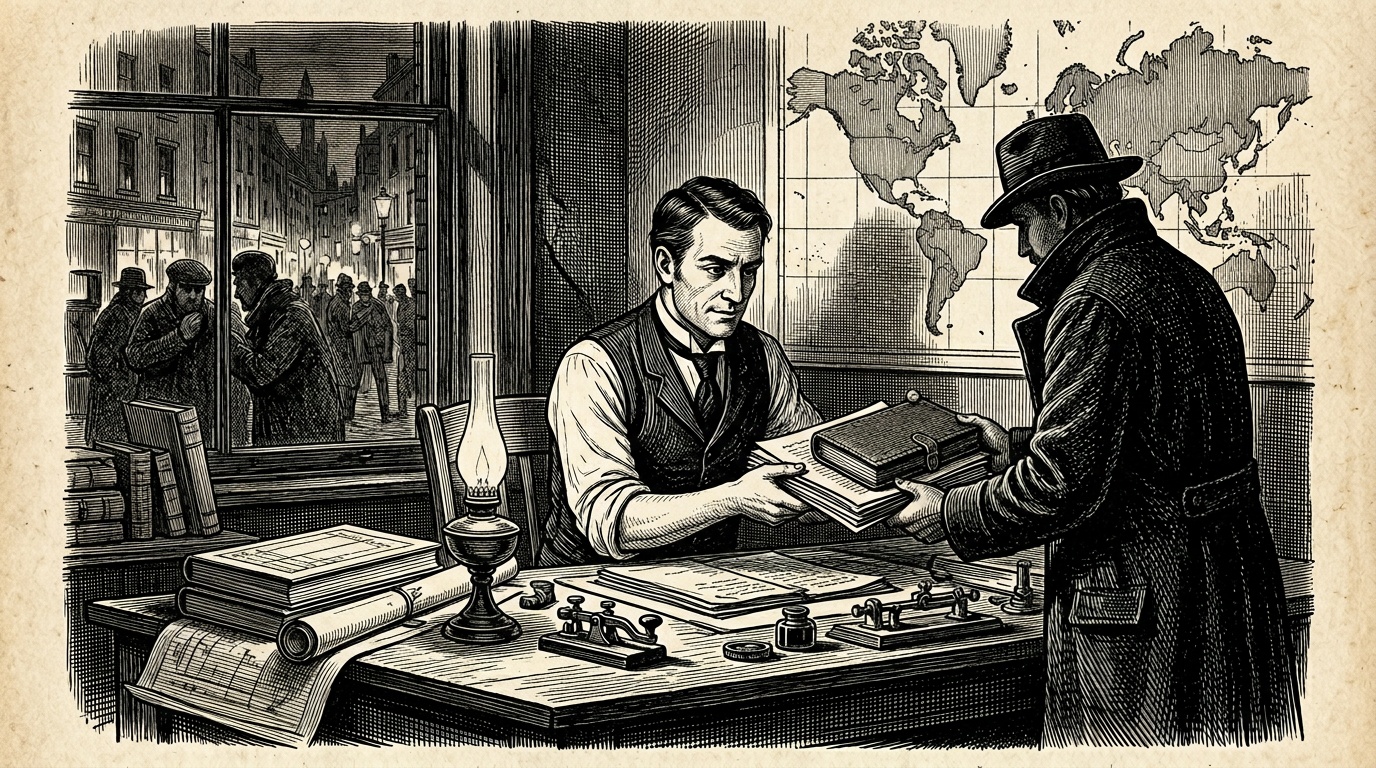
An employee of Trenchant, a US defence contractor and government malware vendor, secretly sold a suite of powerful hacking tools to a Russian company, according to reporting by TechCrunch journalist Lorenzo Franceschi-Bicchierai. The tools are believed to have subsequently reached Russian intelligence services and may also have been acquired by Chinese criminal actors, in what security researchers are describing as one of the most consequential leaks in the modern commercial spyware industry.
How the Leak Unfolded
The case centres on Peter Williams, a Trenchant employee who is alleged to have covertly transferred hacking tools — including sophisticated iPhone exploit capabilities — to a Russian company, bypassing the strict export controls and end-user restrictions that are supposed to govern the sale of offensive cyber capabilities.
Trenchant operates in the closely guarded world of government-contracted malware development, supplying hacking tools exclusively — in theory — to vetted government clients, typically law enforcement and intelligence agencies in allied nations. The indictment of Williams confirmed the broad outlines of the leak, according to Franceschi-Bicchierai, who has investigated the story extensively.
The consequences of the breach appear to have extended well beyond Russia. Google's security researchers later discovered an exploit kit, internally labelled "Corona," which analysts linked back to the Trenchant tools. That kit was subsequently identified being used in mass exploitation campaigns attributed to actors based in China, suggesting the tools had proliferated further than initially understood.
iPhone Exploits on the Battlefield
Among the most alarming revelations is that iPhone hacking tools — likely developed by Trenchant — appear to have been deployed by Russian intelligence operatives during the conflict in Ukraine. Apple has previously issued spyware notifications to users it believes have been targeted, a practice that provides some visibility into the spread of commercial exploit tools.
The economics of the zero-day exploit market help explain how such leaks can occur. Sophisticated exploits targeting major platforms like iOS can command prices ranging from hundreds of thousands to several million dollars on the open market, creating strong financial incentives for insiders with access to misappropriate and resell them.
Industry-Wide Security Concerns
Franceschi-Bicchierai, speaking on the 404 Media podcast, described the case as a significant security failure with broad implications for the commercial spyware industry. The episode highlights a structural vulnerability: the tools that governments rely on to conduct intelligence operations are built and held by private companies whose internal security practices may not match the sensitivity of the material they handle.
The Trenchant case draws uncomfortable comparisons to earlier controversies surrounding firms such as NSO Group, whose Pegasus spyware was found in use by authoritarian governments against journalists and dissidents. But where that scandal concerned misuse by clients, the Trenchant case involves a supply-side failure — a vendor's own employee bypassing export controls entirely.
The episode raises difficult questions about oversight of the defence contractor ecosystem and whether current regulations are adequate to prevent sophisticated offensive tools from reaching adversarial states or organised criminal networks.
Analysis
Why This Matters
- Sophisticated government-grade hacking tools are now demonstrably in the hands of foreign intelligence services and criminal networks, raising the threat level for individuals, businesses, and government systems that may not have been considered targets previously.
- The case exposes a critical gap in the governance of the commercial spyware industry: rigorous controls on who can buy these tools mean little if the companies building them cannot secure them internally.
- The proliferation of the "Corona" exploit kit to mass-exploitation campaigns suggests the damage is ongoing and difficult to contain once such tools escape their intended environment.
Background
The commercial spyware industry has grown substantially since the early 2010s, as governments increasingly outsourced the development of offensive cyber capabilities to private contractors. Companies like NSO Group, Hacking Team, and FinFisher became well known after their tools leaked or were exposed through investigative reporting, revealing use against journalists, activists, and political opponents.
Traditionally, debate over the industry focused on client misuse — authoritarian governments purchasing tools sold under the promise of legitimate law enforcement use. High-profile cases, including the hacking of devices belonging to associates of journalist Jamal Khashoggi, prompted US sanctions against NSO Group in 2021 and broader international scrutiny of the sector.
The Trenchant case represents a different and in some ways more alarming failure mode: not misuse by an authorised client, but theft and resale by an insider. Williams's alleged actions have, in effect, turned tools funded and developed for Western intelligence purposes into assets available to adversarial states, undermining the very security architecture they were designed to support.
Key Perspectives
Government and national security officials: The leak represents a serious counterintelligence failure. Tools developed at significant cost — and intended to provide Western agencies with operational advantages — have been transferred to a principal adversary, potentially neutralising their effectiveness and enabling retaliatory or criminal exploitation.
Security researchers and journalists: Figures like Franceschi-Bicchierai argue the case illustrates that the commercial spyware industry's internal controls are inadequate relative to the sensitivity of what these firms develop. Greater regulatory oversight, including mandatory security audits of contractors, may be necessary.
Critics and civil liberties advocates: The episode reinforces longstanding concerns that building and stockpiling offensive cyber tools — even under government oversight — creates systemic risk. Once created, such tools cannot be uninvented, and as this case shows, they can escape their intended custodians.
What to Watch
- The progress of criminal proceedings against Peter Williams, including any further details about the scope of what was transferred and to whom.
- Whether Google or other security firms identify additional deployments of the Corona exploit kit or successor tools derived from the Trenchant leak.
- Congressional or regulatory response to the case — particularly whether it prompts new security requirements for defence contractors handling offensive cyber capabilities.