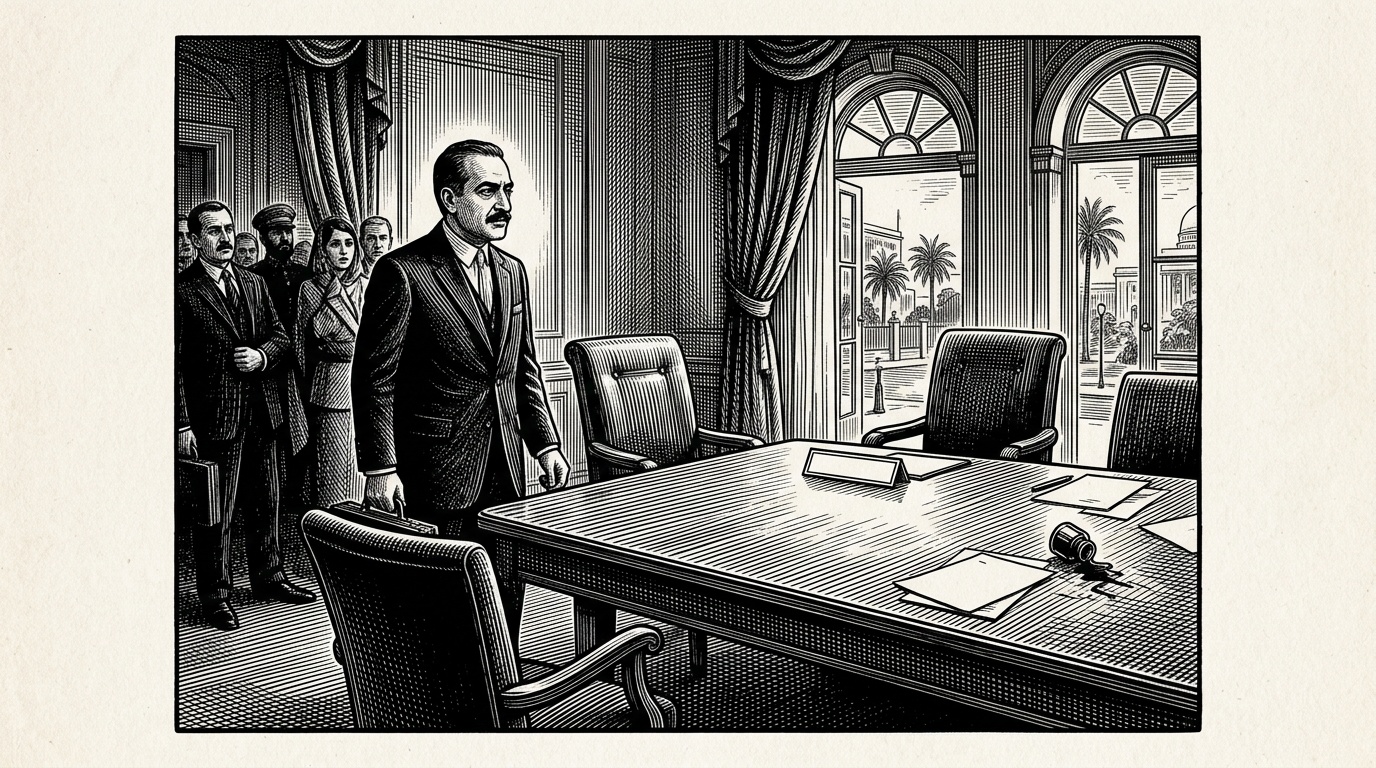
Nuclear diplomacy between the United States and Iran hit a fresh obstacle this week after Washington abruptly cancelled a planned trip by its two senior negotiators to Pakistan, even as an Iranian negotiator returned to Islamabad on Sunday, signalling Tehran's continued willingness to engage.
Efforts to reach a diplomatic agreement over Iran's nuclear programme encountered a significant setback this week when the United States unexpectedly called off a visit to Pakistan by its top two negotiators, disrupting what had been an emerging channel for indirect talks between the two long-estranged nations.
Despite the American withdrawal, an Iranian negotiator pressed ahead, returning to Pakistan on Sunday — a move that diplomats and analysts interpreted as a signal that Tehran remains committed to keeping the dialogue alive, even as Washington's intentions grew less clear.
Pakistan has served as a neutral venue for the sensitive back-channel discussions, with Islamabad positioning itself as a potential bridge between Washington and Tehran at a time when direct diplomatic contact between the two countries remains limited.
The reasons behind the United States' abrupt cancellation were not immediately disclosed. The sudden reversal raised questions about the internal coherence of the American negotiating position and whether competing factions within the administration hold differing views on the pace and scope of any potential deal.
Iran has long maintained that its nuclear programme is intended for peaceful civilian purposes, while the United States and its Western allies have pressed for verifiable limits on uranium enrichment and access for international inspectors. Any eventual agreement would likely need to address the range of sanctions imposed on Iran, which have severely constrained its economy.
The latest disruption comes against a backdrop of painstaking diplomacy that has repeatedly cycled through periods of cautious progress and sudden collapse. Both governments face significant domestic political pressures that constrain their negotiators' room to manoeuvre.
With the Iranian negotiator now back in Islamabad and the United States yet to clarify its next steps, the immediate future of the talks remains uncertain. Diplomatic sources have not indicated when, or whether, the American team intends to resume its participation.
Analysis
Why This Matters
- A nuclear agreement — or the lack of one — has sweeping implications for regional stability in the Middle East, global oil markets, and the broader non-proliferation framework that governs atomic weapons.
- The abrupt U.S. withdrawal raises questions about the coherence of Washington's diplomatic strategy and could embolden hardliners on both sides who oppose a negotiated settlement.
- Iran's decision to continue showing up despite the American cancellation may reflect a strategic calculation to appear the more reasonable party, shaping international opinion as talks continue.
Background
U.S.-Iran relations have been defined by deep mutual distrust since the 1979 Islamic Revolution and the subsequent hostage crisis. The two countries reached a landmark nuclear accord — the Joint Comprehensive Plan of Action (JCPOA) — in 2015, under the Obama administration, which imposed limits on Iran's enrichment activities in exchange for sanctions relief.
That agreement unravelled in 2018 when the Trump administration unilaterally withdrew from the deal and reimposed sweeping sanctions under a policy of "maximum pressure." Iran responded by gradually exceeding the enrichment limits set by the JCPOA, and its uranium stockpile and enrichment levels have grown significantly in the years since.
Efforts under the Biden administration to revive the JCPOA through indirect talks in Vienna repeatedly stalled, and no new agreement was reached. The current round of diplomacy, routed through Pakistan, represents another attempt to find a negotiated off-ramp to a crisis that carries the risk of military escalation.
Key Perspectives
United States: Washington seeks verifiable, enforceable limits on Iran's nuclear programme, including restrictions on enrichment levels and robust inspection access. Domestically, any deal faces intense scrutiny from lawmakers and allied governments who question whether Iran can be trusted to comply.
Iran: Tehran insists its nuclear programme is a sovereign right and demands full sanctions relief as a prerequisite for significant concessions. Iranian negotiators face pressure from hardliners at home who view compromise as a sign of weakness.
Regional and International Observers: U.S. allies in the Gulf and Israel view a nuclear-capable Iran as an existential threat and have historically pushed for a harder line. European powers, by contrast, have consistently backed diplomacy as the preferred alternative to military confrontation.
What to Watch
- Whether the United States publicly explains the reason for cancelling its negotiators' trip to Pakistan, which could reveal the depth of the internal disagreement.
- Any statement from Islamabad on the status of its mediating role and whether further sessions have been scheduled.
- Iran's uranium enrichment levels, which serve as a key technical indicator of how much time diplomacy has before the situation reaches a critical threshold.