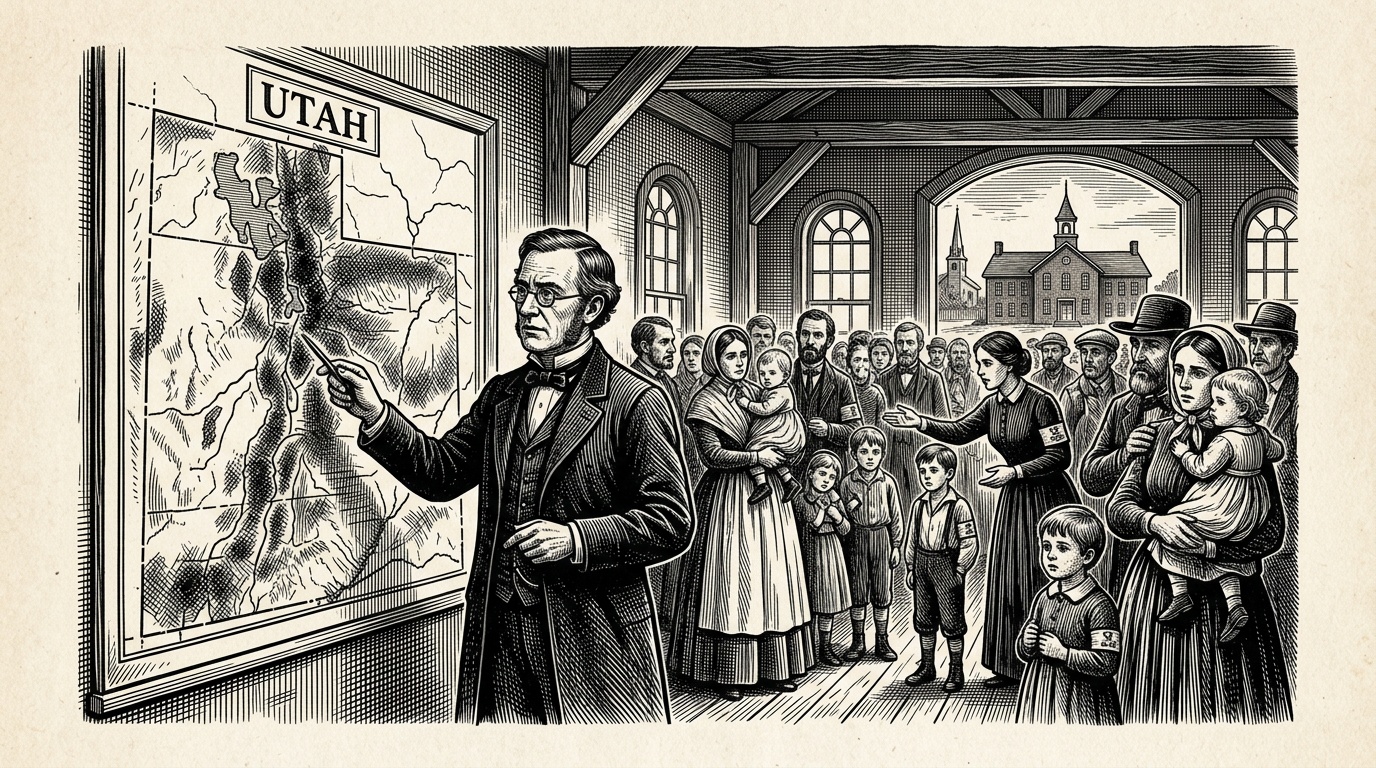
Utah health authorities confirmed this week that the state's ongoing measles outbreak has surpassed 600 cases, cementing its status as the epicentre of a broader national resurgence of the highly contagious disease.
The Utah Department of Health reported 602 total cases connected to an outbreak that originated in 2025, with 19 additional infections identified on Wednesday alone. Dozens of patients have been hospitalised, and recent exposure sites have included multiple preschools and elementary schools — raising concerns about transmission among young children who may not yet be fully vaccinated.
State data indicates that 85% of those infected had not received the measles, mumps and rubella (MMR) vaccine, underlining the central role vaccination status has played in driving the outbreak's spread.
Measles was declared eliminated in the United States in 2000, following decades of widespread vaccination. However, declining immunisation rates in some communities have left pockets of the population vulnerable to outbreaks, which can spread rapidly given that measles is among the most contagious infectious diseases known — capable of infecting up to 90% of unvaccinated individuals exposed to it.
The Utah outbreak is part of a wider pattern of measles resurgence seen across the US in recent months. Public health officials have warned that sustained outbreaks can threaten herd immunity thresholds, which require approximately 95% of a population to be vaccinated in order to prevent community-wide spread.
Health authorities are urging parents to confirm that children are up to date on MMR vaccinations, particularly ahead of potential further spread through school settings. Two doses of the MMR vaccine are approximately 97% effective at preventing measles infection.
The Centers for Disease Control and Prevention (CDC) has been monitoring the situation, though the agency has faced scrutiny in recent months over staffing reductions and shifts in public health communication priorities under the current administration.